

Understanding FPSO Systems in Offshore Oil and Gas
InquireIntroduction
In the modern offshore energy industry, the need for efficient, flexible, and cost-effective oil and gas production has driven the rise of Floating Production Storage and Offloading (FPSO) systems. These massive floating units are the backbone of deepwater exploration, capable of extracting, processing, storing, and offloading hydrocarbons in areas where fixed platforms are not practical. FPSOs have become indispensable in today's offshore developments, particularly in remote or harsh environments where permanent infrastructure is costly or technically challenging.
What Is an FPSO?
A Floating Production Storage and Offloading (FPSO) vessel is a floating facility designed to process and store oil and gas extracted from subsea wells. It serves as both a production platform and a storage terminal, capable of offloading crude oil directly to shuttle tankers for transportation to refineries or export terminals. Most FPSOs are converted oil tankers or newly built vessels designed with advanced production modules, dynamic positioning systems, and safety features that enable them to operate efficiently for decades at sea.
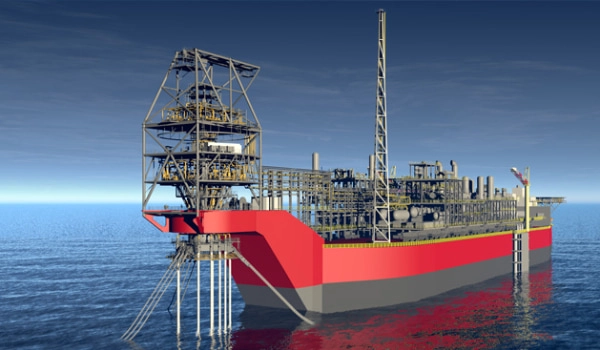
Main Components of an FPSO
An FPSO integrates several complex systems into a single floating structure. The key components include:
1. Hull
The hull provides buoyancy, stability, and storage capacity. It usually includes multiple cargo tanks for storing processed crude oil before it is offloaded. The hull design must withstand extreme ocean conditions, corrosion, and fatigue over long service periods—often exceeding 20 years without dry-docking.
2. Topside Processing Facilities
Located on the deck, these facilities handle the separation, treatment, and compression of oil, gas, and water. The topside modules typically include separators, gas compressors, heat exchangers, and water treatment systems. The modular design allows for flexibility in capacity and future upgrades.
3. Mooring and Turret System
The mooring system anchors the FPSO to the seabed using chains, wires, or synthetic lines. A turret mooring system—either internal or external—allows the vessel to rotate freely with ocean currents and winds, maintaining stability while minimizing stress on mooring lines and risers.
4. Offloading System
Once the oil is processed and stored, the FPSO transfers it to shuttle tankers via flexible hoses or loading buoys. This operation, known as “offloading,” ensures continuous production even in locations far from onshore terminals.
How FPSOs Work
The operational process of an FPSO can be summarized in four main stages:
1. Extraction – Subsea wells connected by risers deliver the produced fluids (oil, gas, and water) to the FPSO.
2. Processing – The topside facilities separate and treat these fluids, preparing oil for storage and gas for reinjection or export.
3. Storage – The processed crude oil is stored in the hull’s cargo tanks, with capacities ranging from 1 to 2 million barrels.
4. Offloading – When storage is full, the crude is offloaded to shuttle tankers for transport to refineries or export facilities.
This self-contained production cycle allows FPSOs to operate independently for months without the need for direct pipeline connections to shore.
Advantages of FPSO Systems
FPSOs have gained popularity across the offshore oil and gas sector for several compelling reasons:
1. High Flexibility
FPSOs can be deployed in a wide range of environments—from shallow waters to ultra-deep fields. They can also be easily relocated to new sites once a field is depleted, maximizing asset utilization.
2. Cost-Effective Development
Compared to fixed offshore platforms and pipelines, FPSOs reduce initial capital expenditures and eliminate the need for costly subsea infrastructure, making them especially suitable for marginal or remote oil fields.
3. Rapid Deployment
Converted tanker FPSOs can be delivered faster than new platform installations. This shorter development cycle allows operators to start production earlier and improve project economics.
4. Minimal Environmental Footprint
Because FPSOs require less seabed infrastructure, they reduce disturbance to marine ecosystems. Many modern units also feature gas reinjection and flaring-reduction systems to minimize carbon emissions.
5. Operational Safety and Reliability
Modern FPSOs are equipped with advanced control, monitoring, and safety systems. Dynamic positioning, automatic shutdown mechanisms, and redundant equipment ensure safe and continuous operation even under severe weather conditions.
Global Applications of FPSO Technology
FPSOs are deployed in many of the world’s most productive offshore regions, including:
· Brazil: Petrobras operates several large FPSOs in the deepwater pre-salt fields.
· West Africa: Nigeria, Angola, and Ghana rely heavily on FPSOs due to their deep and remote oil reserves.
· Southeast Asia: Malaysia and Indonesia use FPSOs for both oil and gas developments.
· North Sea: Some older fields now use FPSOs for enhanced oil recovery and decommissioning support.
These examples highlight how FPSO technology continues to evolve and expand, driving the offshore sector toward greater efficiency and sustainability.
The Future of FPSO Technology
As global energy demand transitions toward cleaner and more efficient production, the FPSO industry is evolving rapidly. Future FPSOs will feature:
· Hybrid power systems integrating renewable energy sources like offshore wind.
· Digital monitoring technologies using AI and IoT to optimize production and maintenance.
· Modular designs enabling faster construction and adaptability to different field sizes.
· Improved environmental compliance with reduced emissions and zero-discharge capabilities.
These innovations ensure that FPSOs will remain a cornerstone of offshore oil and gas production for decades to come.
Conclusion
Floating Production Storage and Offloading systems have revolutionized offshore oil and gas development. By combining production, storage, and transportation functions in a single floating unit, FPSOs provide a flexible, cost-effective, and sustainable solution for global energy production. As offshore exploration extends into deeper and more remote waters, FPSOs will continue to play a pivotal role in meeting the world's energy needs.