
Mooring Bollard Types and Selection
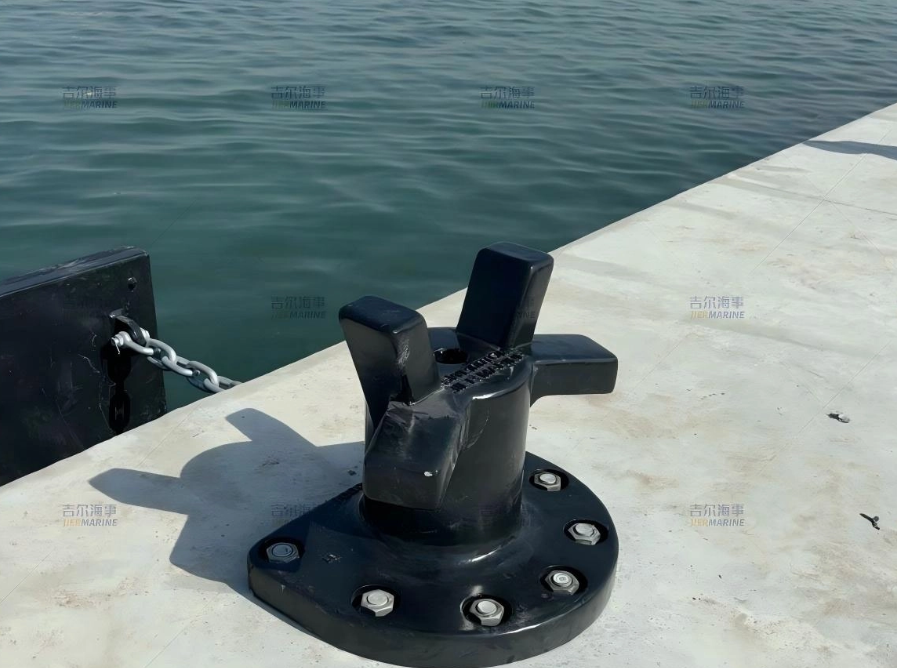
InquireMooring bollards are available in a wide range of shapes, load ratings, and materials; no single combination can satisfy all customer requirements. The most commonly used styles are the Single Bitt, Double Bitt, T-head, Staghorn, and Kidney bollards, as well as simple cleats used for smaller vessels. The specific type of bollard requested by a customer, as well as the material used to cast it, is usually determined by historical usage at the operator’s facility. These preferences can also be geographically dependent.
For example, T-head bollards are more prominent in some regions, while Single Bitt bollards are more commonly used in others. The choice may also depend on the consultant's preference, as they may have considered a particular bollard model—along with its specific shape, load rating, and anchorage—during the detailed design of the berth. This choice must be respected to ensure the safe usage of the product.
While customer preference often dictates the model, there are functional differences among models that should be considered during selection. T-head and Staghorn bollards can accommodate higher line load angles than Single Bitt and Kidney-shaped bollards. This feature is particularly important where significant variations in water levels result in drastic changes in line angles. Large differences in line angles may also occur at multipurpose berths where vessels of widely varying sizes frequent the same location.
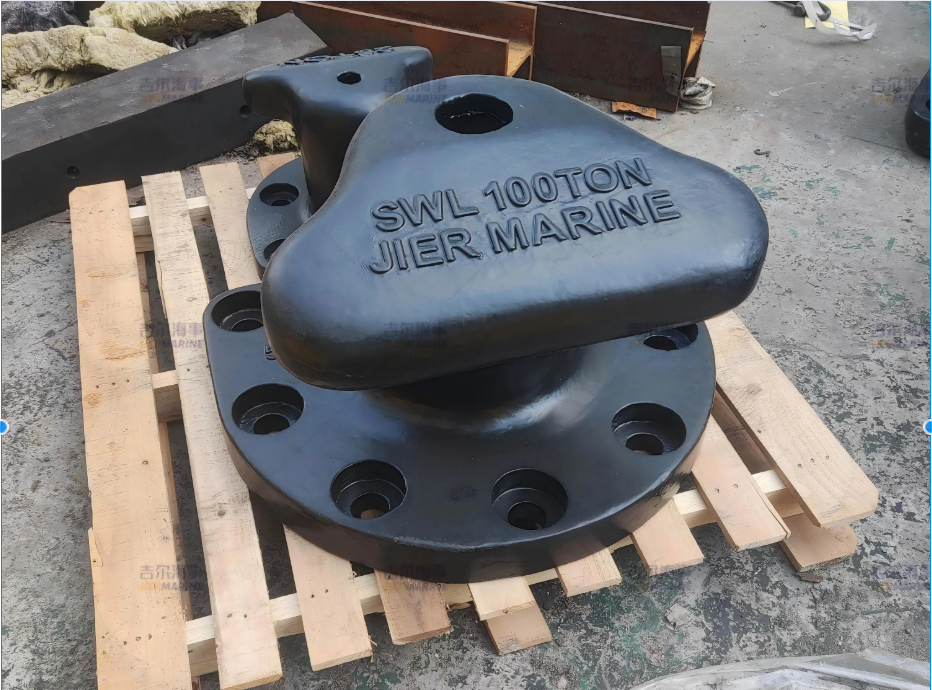
Double Bitt bollards are useful where high densities of mooring lines are present. The two-column design allows two lines to be secured and independently released without compromising the mooring of an adjacent vessel. The opposing sloping columns are particularly effective for securing spring lines, as their greatest strength is aligned parallel to the berth.
Kidney-shaped bollards offer an economical solution for installations where securing mooring lines at high angles is not a concern. This style is not recommended when multiple mooring lines must share a single bollard, as the shallow lip at the top increases the risk of unintentional line release.
Key Selection Considerations
What is the actual unfactored line load determined to be necessary at the berth?
This load should be determined by a qualified engineer who has performed a detailed mooring analysis. Line loads are influenced by numerous factors, including vessel size, wind and current conditions, passing vessels, mooring line elasticity, vessel deck equipment, tidal levels, bollard spacing, and various other parameters. For this reason, it is not a simple matter to ask, “What load rating is necessary for a vessel of a particular carrying capacity?” In fact, the carrying capacity of the vessel may be one of the least important parameters.
What is the necessary anchorage capacity of the bollard to the wharf to ensure safe mooring and to avoid costly structural damage in the event of concrete failure from an overload condition?
This is a highly complex subject. The required anchorage can only be determined by considering factors such as anchor bolt size, grade, and embedment depth; whether the bollard is keyed into the concrete or surface-mounted; the loads on each anchor bolt; the strength of the concrete itself; and the influence of reinforcing bars located near the bollard anchors. Bollard suppliers are sometimes asked to demonstrate anchor pullout capacity, but in reality, this needs to be determined by the wharf's structural engineer, who should be in close communication with the bollard supplier regarding the size and loads of the provided anchors. It is not possible for the bollard supplier alone to account for other significant loads carried by the concrete, such as deck loads, crane loads, and fender loads.
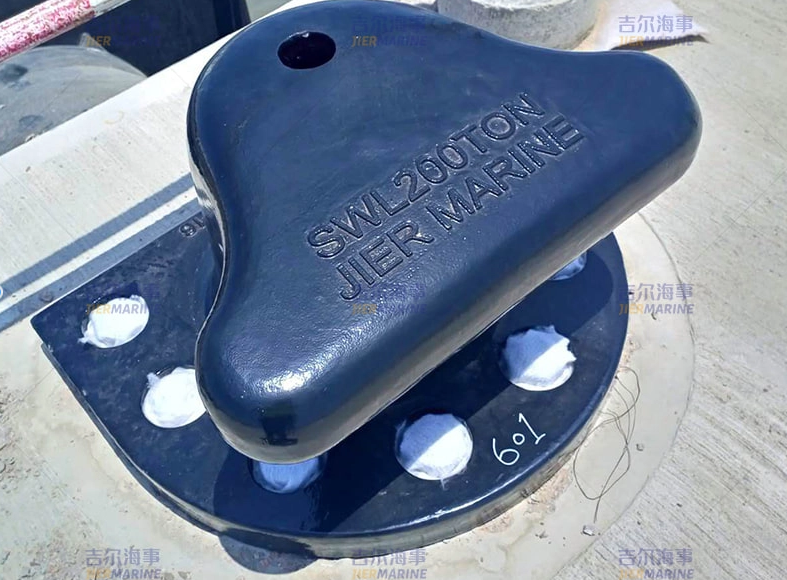
What are the working capacity, ultimate failure load, and failure mode of the bollard and anchorage system?
The bollard itself can be rated based on its yield strength or ultimate strength. The shape of the bollard can also be adjusted, if necessary, to satisfy the customer's load requirements. The load capacity of the bollard and anchorage system may also be intentionally limited at strategic locations to avoid damage to the wharf. This is usually accomplished through the use of fuse bolts, designed to fail at a predictable load, allowing for easy replacement of the failed component without causing structural damage to the wharf. While this technique is useful for its intended purpose, careful consideration must be given to the failure mode to ensure a predictable release of the mooring line, preventing the failed bollard and anchorage system from harming port and vessel personnel or equipment.