

How to Properly Store Rubber Fenders to Prevent Deformation and Aging
InquireRubber fenders are essential components for protecting vessels and port structures, but their performance can be affected if storage conditions are not properly controlled. Many terminals, shipyards, and contractors store fenders for months—or even years—before installation.
To ensure the fenders maintain their elasticity, energy absorption capability, and structural integrity, proper storage procedures are critical.
This guide explains the best practices for long-term storage of marine rubber fenders, including environmental conditions, protection methods, and inspection recommendations.
1. Why Proper Fender Storage Matters
Rubber is a viscoelastic material. When exposed to improper storage conditions—such as heat, UV, ozone, deformation load, or chemical contact—it can lead to:
· Permanent deformation (especially for long fenders stored horizontally)
· Surface cracking or ozone cracks
· Hardening or loss of elasticity
· Accelerated aging
· Corrosion on embedded steel components
· Reduced energy absorption performance
Correct storage minimizes these risks and ensures the fenders meet design performance even after long-term warehousing.
2. Recommended Environmental Conditions for Fender Storage
2.1 Temperature
· Ideal storage temperature: +10°C to +25°C
· Avoid extremes below 0°C or above 40°C
· Do not store near heat sources or direct sunlight
2.2 Humidity & Ventilation
· Store in a dry, ventilated indoor warehouse
· Avoid damp or waterlogged floors
· Maintain humidity below 70% to reduce mold and corrosion risk
2.3 UV & Ozone Protection
UV and ozone are the main causes of rubber surface cracking.
· Avoid direct sunlight
· Keep away from ozone-generating electrical equipment
· Use breathable tarpaulins or protective covers
3. Storage Methods for Different Types of Fenders
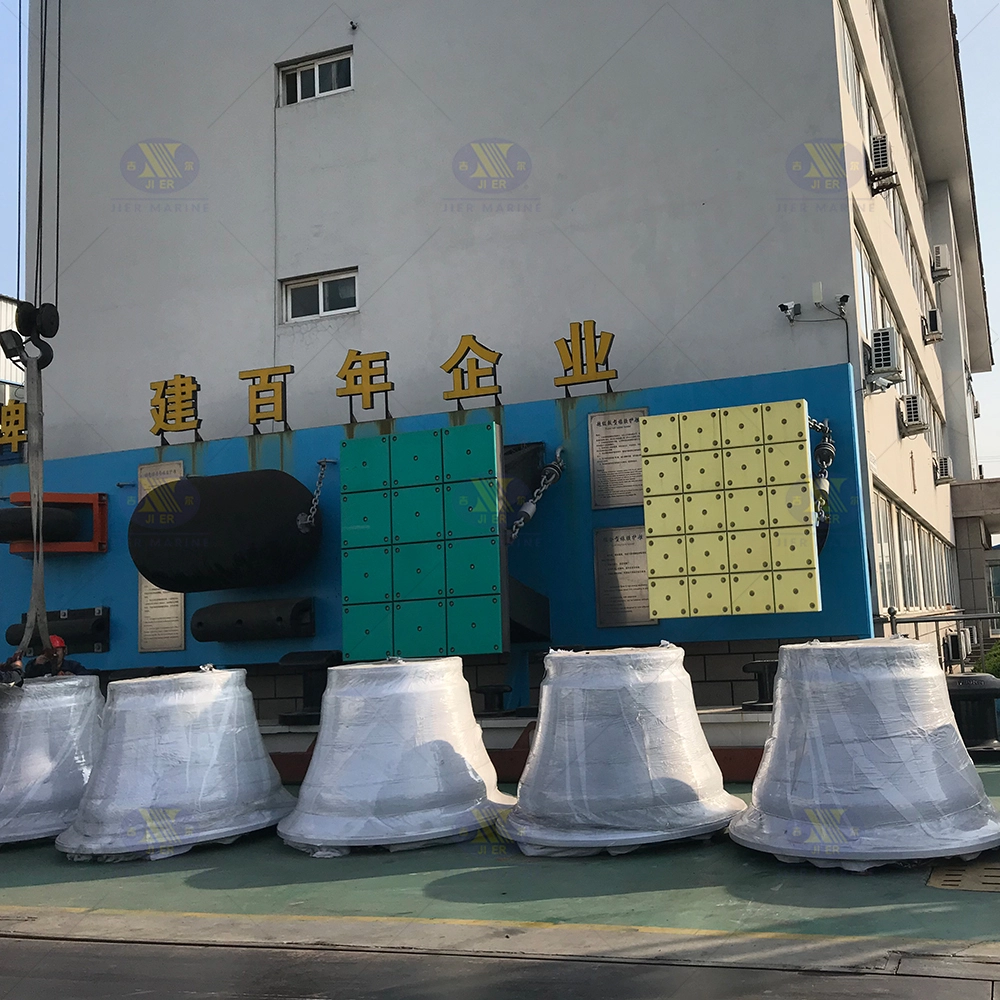
3.1 Cylindrical, Cell, Cone, Arch Fenders
· Place on flat ground with wooden blocks or pallets
· Rotate every 3–4 months to avoid flat spots
· Store large cell or cone fenders upright when possible
3.2 Pneumatic Fenders
· Maintain recommended internal pressure (50 kPa / 80 kPa)
· Avoid contact with sharp edges or debris
· Use slings instead of chains when lifting
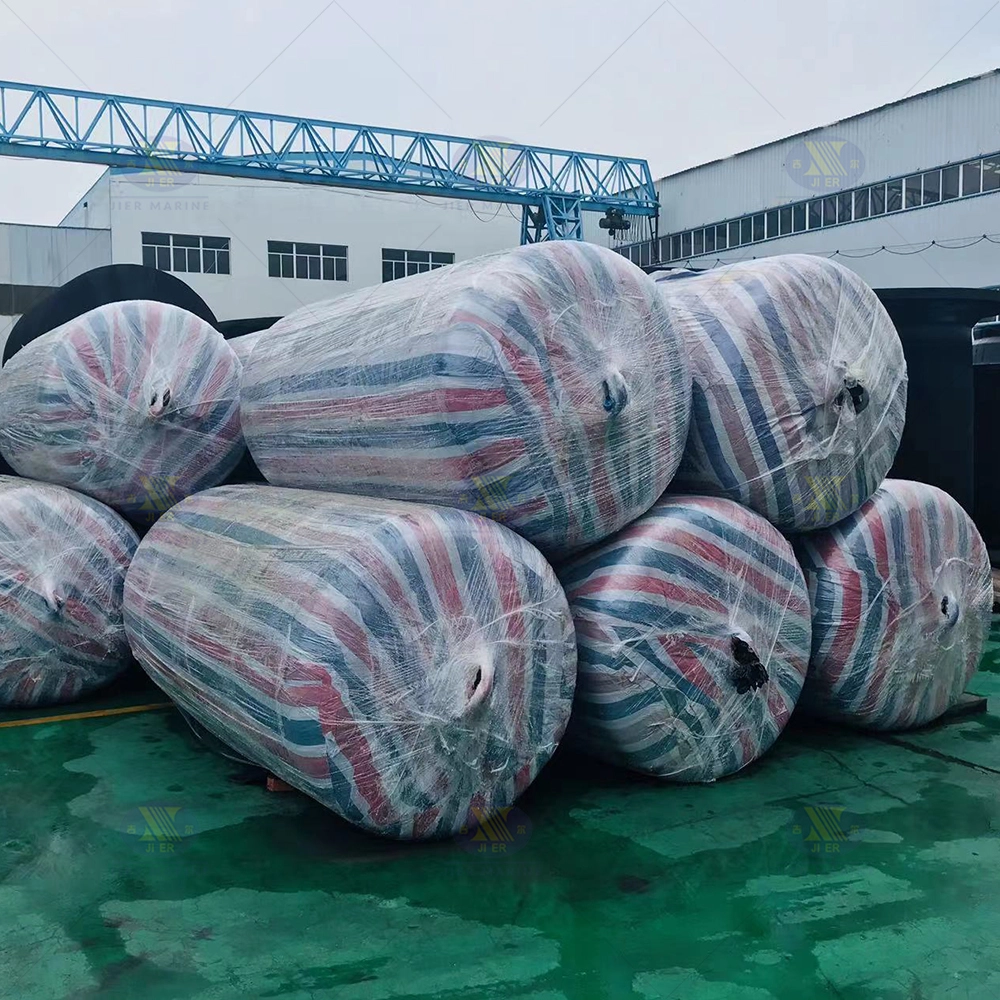
3.3 Foam-Filled Fenders
· Store vertically when possible
· Protect the polyurethane skin from scratching
· Do not stack heavy objects on top
4. Avoiding Deformation During Long-Term Storage
To prevent shape distortion:
· Do not store fenders under pressure or compression
· Avoid stacking heavy materials on the fender body
· Use wide supports to distribute weight evenly
· Prevent long-term continuous load on one side
For large heavy fenders, wooden cradles are recommended.
5. Surface Protection & Metal Component Care
Rubber Surface
· Avoid contact with oil, solvents, fuels, and chemicals
· Wrap with breathable protective covers
· Keep away from copper, manganese, or aging-accelerating compounds
Metal Components (flanges, anchors)
· Apply light anti-corrosion oil
· Avoid prolonged exposure to moisture
· Inspect every 6 months
6. Storage Duration & Periodic Inspection
Even under ideal conditions, long-term storage requires routine checks.
Inspection Frequency
· Every 3 months: Basic visual inspection
· Every 6 months: Detailed inspection
Checklist
· Surface cracks or aging
· Hardening or excessive stiffness
· Flat spots from uneven loading
· Rust on metal inserts
· Internal pressure (pneumatic fenders)
7. How Long Can Rubber Fenders Be Stored?
With proper storage:
· Rubber fenders can be stored long-term without performance loss
· After extended storage, a visual and functional check is recommended
· Consult the manufacturer for long-term storage assessment
8. Best Practices Summary
✔ Store in a cool, dry, ventilated indoor warehouse
✔ Avoid sunlight, ozone, and high temperature
✔ Prevent chemical contamination
✔ Use stable platforms; avoid compression loads
✔ Inspect every 3–6 months
✔ Maintain pressure for pneumatic fenders
✔ Protect foam fender skin from damage
Following these guidelines helps maintain fender performance and extend service life.
Conclusion
Proper storage is essential for maintaining the long-term durability of marine rubber fenders. By managing environmental conditions, minimizing load stress, and performing periodic inspections, the fenders can remain in excellent condition even after long-term warehousing. For tailored technical guidance or inspection checklists, JIER MARINE can provide full support.