

Hole Size And Base Plate Design Calculation for Rubber Fender Installation
Inquireroper hole sizing, bolt selection, and base plate design are critical for the installation of rubber fenders. These factors not only ensure secure installation but also enhance the longevity and impact resistance of the fender. This article provides detailed calculations for hole size and base plate design in rubber fender installation, helping engineers and technicians achieve efficient installations.
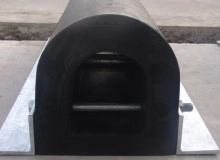
1. Why is a Base Plate Necessary?
The base plate plays a significant role in the installation of rubber fenders. It is used to secure the fender to docks, ports, and other structures, distributing the forces acting on the fender and enhancing its stability. The design of the base plate directly affects the fender’s compression resistance, durability, and overall installation strength.
2. Hole Size and Bolt Selection
The hole size and bolt selection are crucial for the stability of the fender installation. The hole diameter is typically 1-2mm larger than the bolt diameter to ensure proper fitting and secure installation.
Hole Size Calculation:
· Hole Diameter (D_hole): The hole diameter should be 1-2mm larger than the bolt diameter. Common bolt sizes are M12 or M16.
· Number and Distribution of Holes: Generally, D-type fenders require 3-4 holes, while square fenders usually have holes in all four corners for even force distribution.
Bolt Selection and Length:
The length of the bolt should be determined based on the total thickness of the fender and base plate to ensure a secure connection.

3. Base Plate Size and Design Calculation
The base plate size should be selected based on the fender's width, thickness, and the installation position. The base plate not only provides sufficient support but also helps distribute the load.
Base Plate Size Calculation:
· Base Plate Width (W_plate): If the base plate is placed inside the fender, its width should be 90%-95% of the fender’s width; if placed outside, it should be 105%-110%.
· Base Plate Thickness (T_plate): Typically 6-8mm, depending on the load requirements.
· Base Plate Length (L_plate): The length is typically the same as the fender’s height or slightly longer.
Base Plate Hole Design:
The holes on the base plate must align with the holes in the fender, and the hole diameter should match the bolt size.
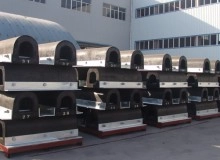
4. Conclusion
The installation of rubber fenders involves various considerations. Proper hole sizing, bolt selection, and base plate design are essential to ensure the fender’s stability and longevity. With precise calculations and optimized design, the fender system can operate efficiently in a variety of environments.